

How to Make Your Home Feel Collected, Not Cookie-Cutter
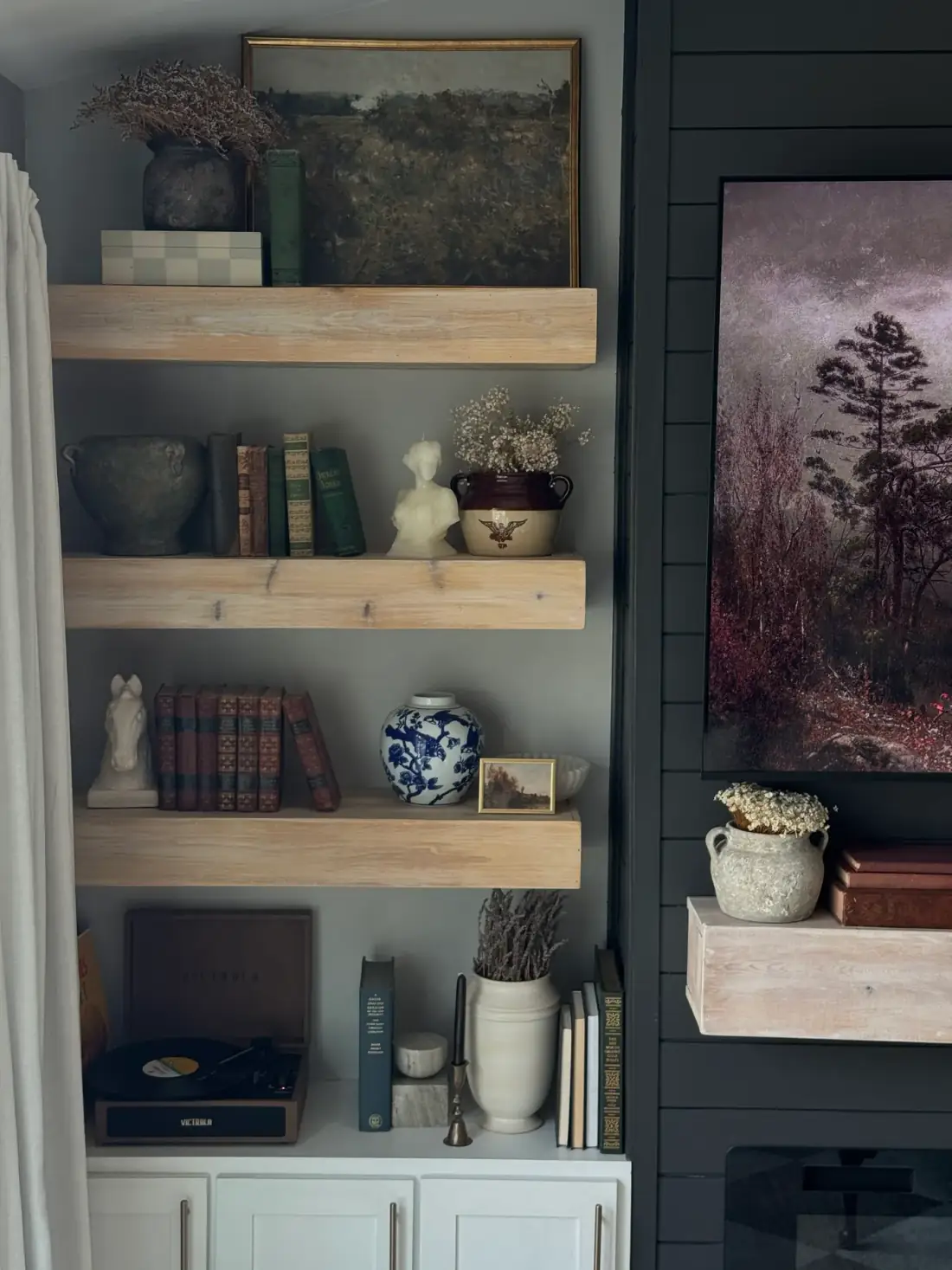
For a while, I wasn’t quite sure how to return to sharing my home online.
Like anyone else, I can get pulled into the consumerism side of social media. I’ll spend too much time scrolling, see the latest “it” product and suddenly feel like I need to buy it before it sells out—even when I had no idea it existed five minutes earlier.
And because so much home content has become centered around links, shopping and what we’re being told we need next, I started to feel like I couldn’t come back unless I had something to sell or link for you.
But that isn’t what I want this space to be.
I don’t want to pressure you to buy more things in order to love your home. I want to share my creativity, the way I see potential in a space and the pieces that have helped our own home feel like us.
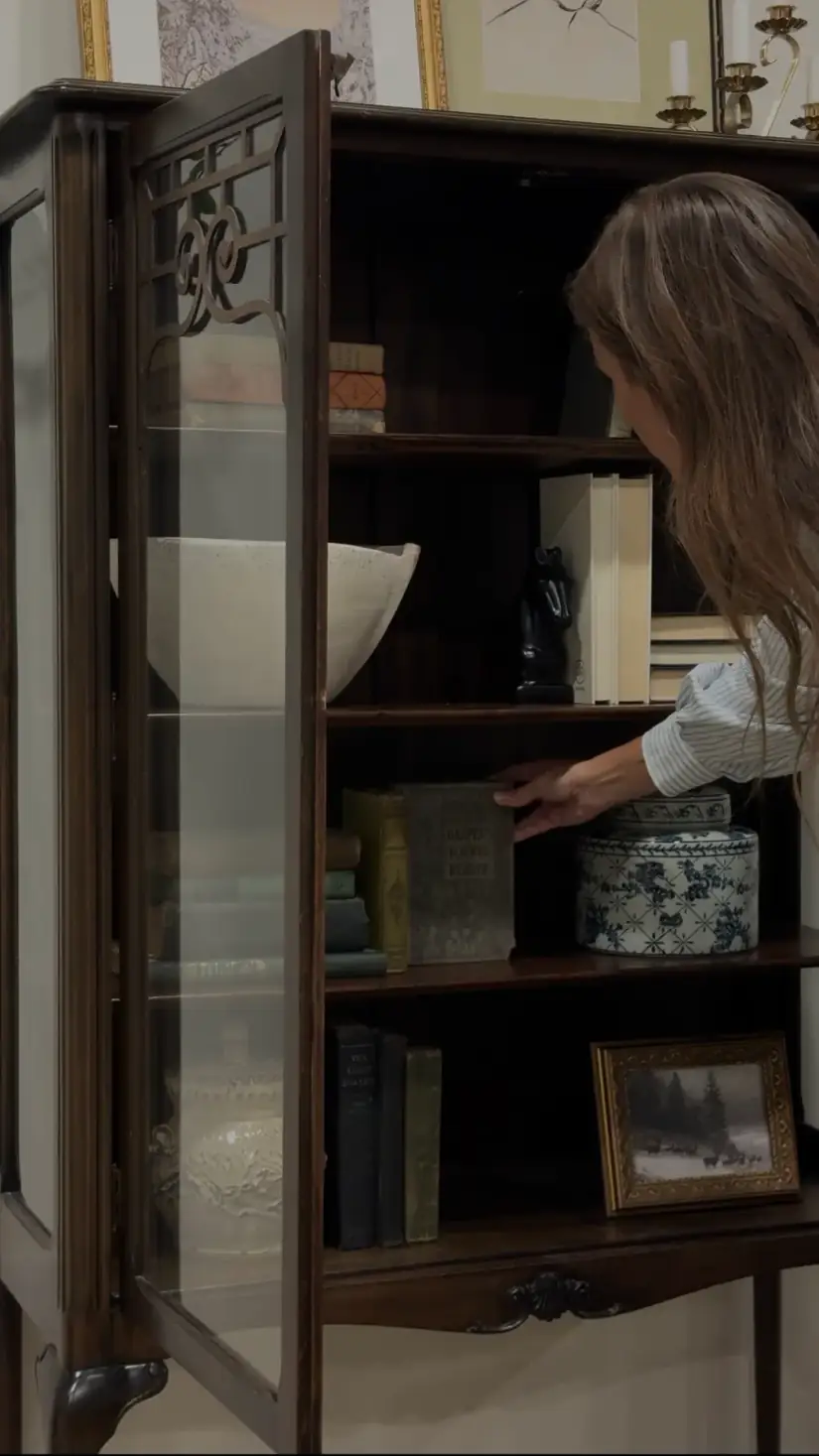
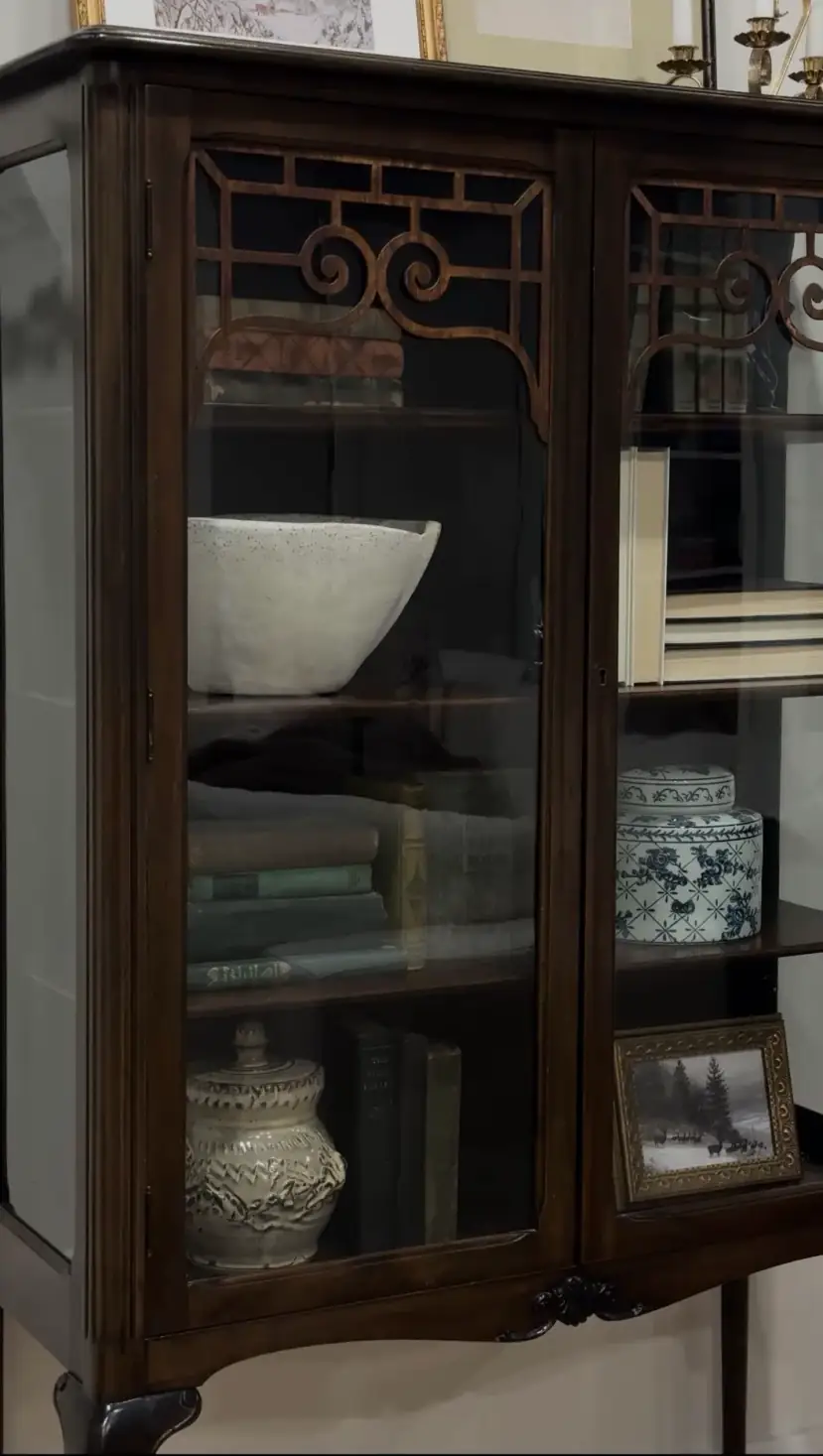
More and more, those pieces aren’t coming from a store where I can send you a convenient link. They’re thrifted, passed down, found at an antique store or collected slowly over time.
And honestly, I think that makes them even more meaningful.
My hope is that sharing our home inspires you to look at yours a little differently—to rearrange something you already own, bring new life to an overlooked thrifted piece or imagine what you could create in your next home.
Because creating a beautiful home doesn’t always mean buying something new. Sometimes it means trusting your own taste, getting creative and allowing your home to become a reflection of the people who actually live there.
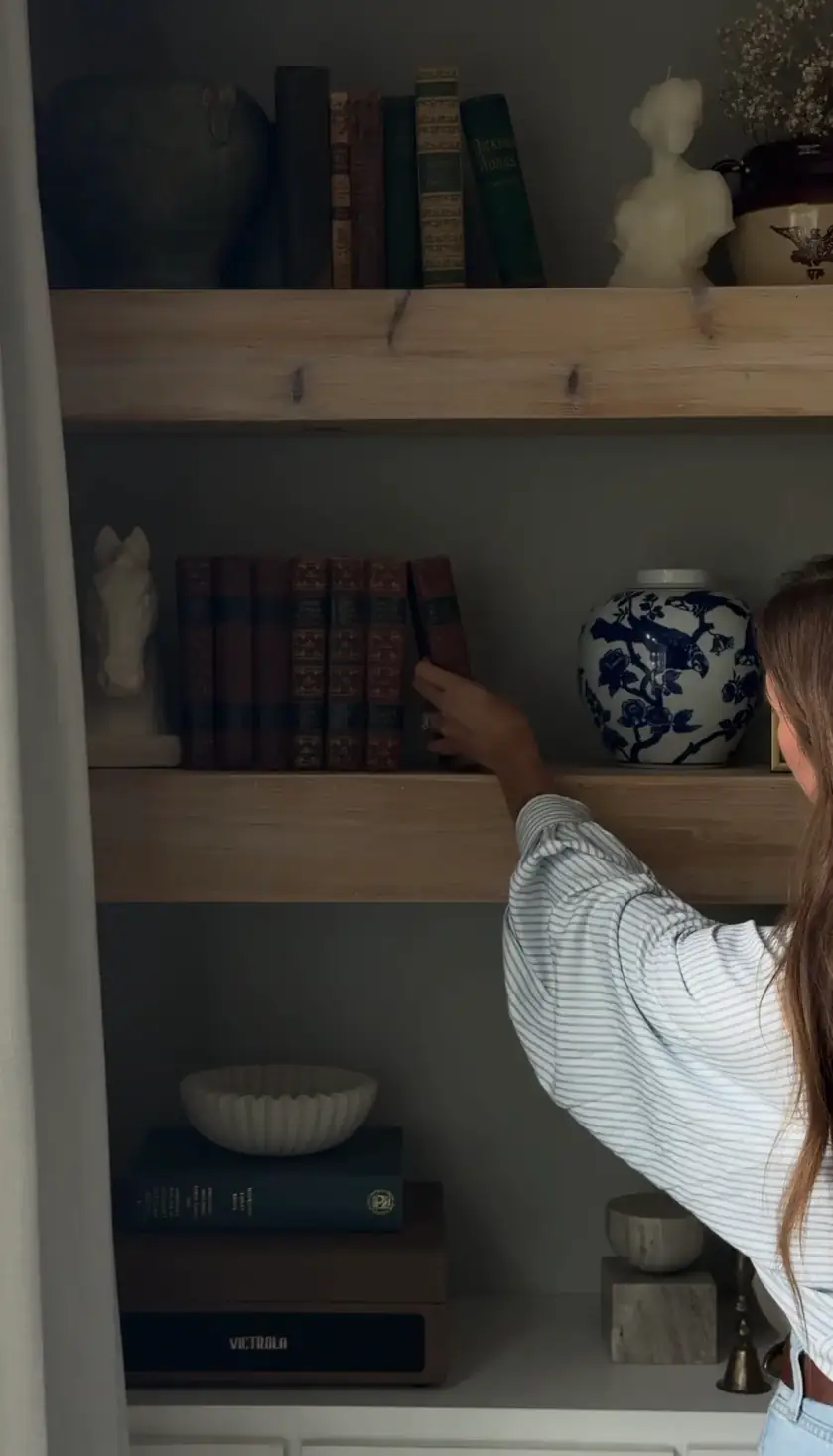
A Collected Home Takes Time
I love a finished room as much as anyone, but I’ve learned that the most interesting homes rarely come together from one shopping trip.
They evolve.
You find a frame you love without knowing exactly where it will go. You spot a piece of artwork that feels completely different from anything else you own—but somehow, it works. You bring home an old lamp, a stack of beautifully worn books or a piece of pottery simply because it makes you happy.
Over time, those individual finds begin to tell a story.
That’s what makes a home feel collected instead of copied. It doesn’t look like it was purchased as one matching set because it wasn’t. It reflects different seasons of your life, places you’ve visited, people you love and pieces you simply couldn’t leave behind.
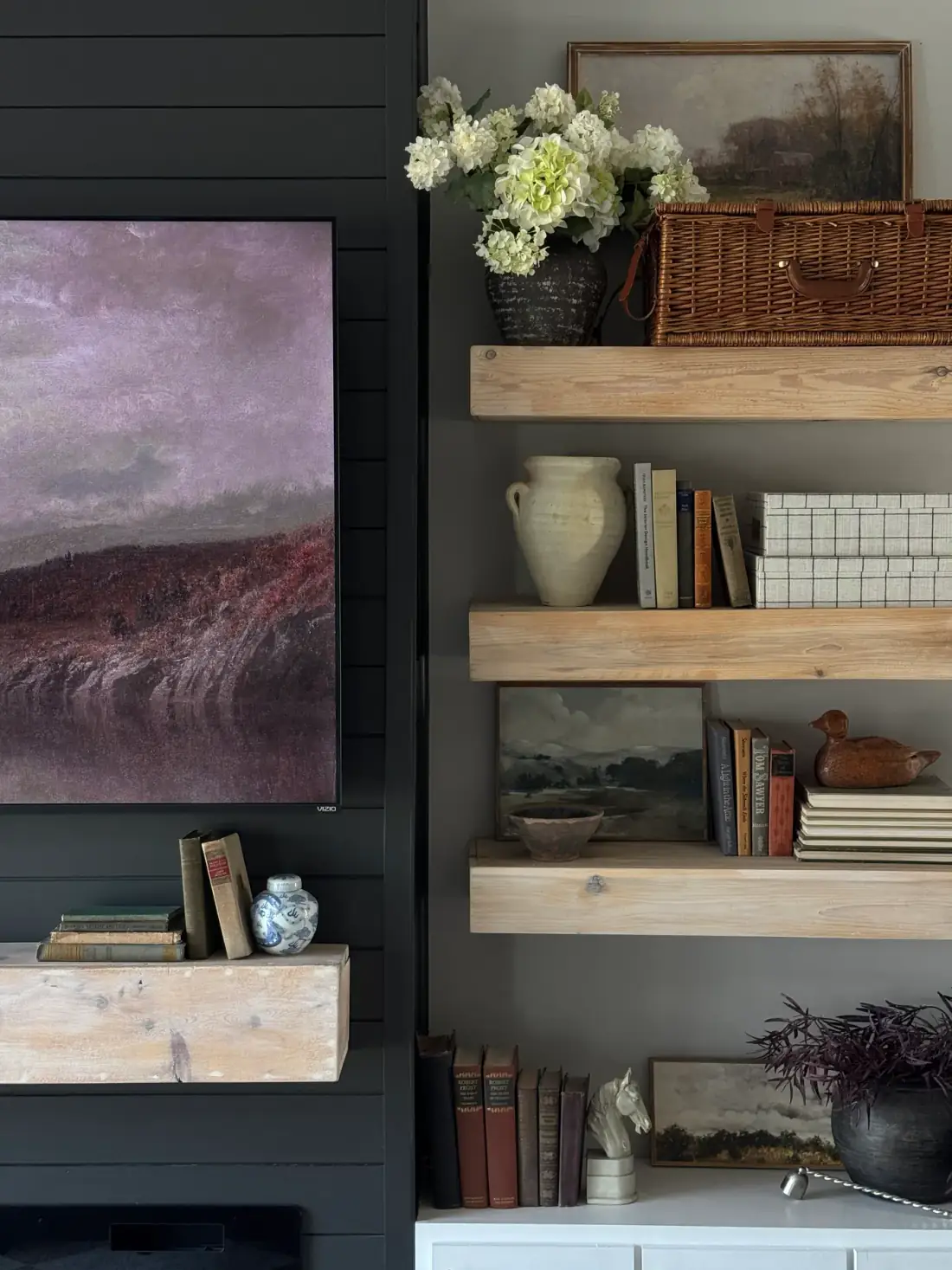
What to Look for When You’re Thrifting for Your Home
Walking into a thrift or antique store can feel overwhelming, especially when you’re looking at shelves filled with completely unrelated things.
The trick is learning to notice the potential of an individual piece instead of judging everything by the way it’s currently displayed. Something that looks forgotten on a crowded shelf may feel completely different when it’s styled in your home.
Here are a few things I’m always looking for:
Vintage Books
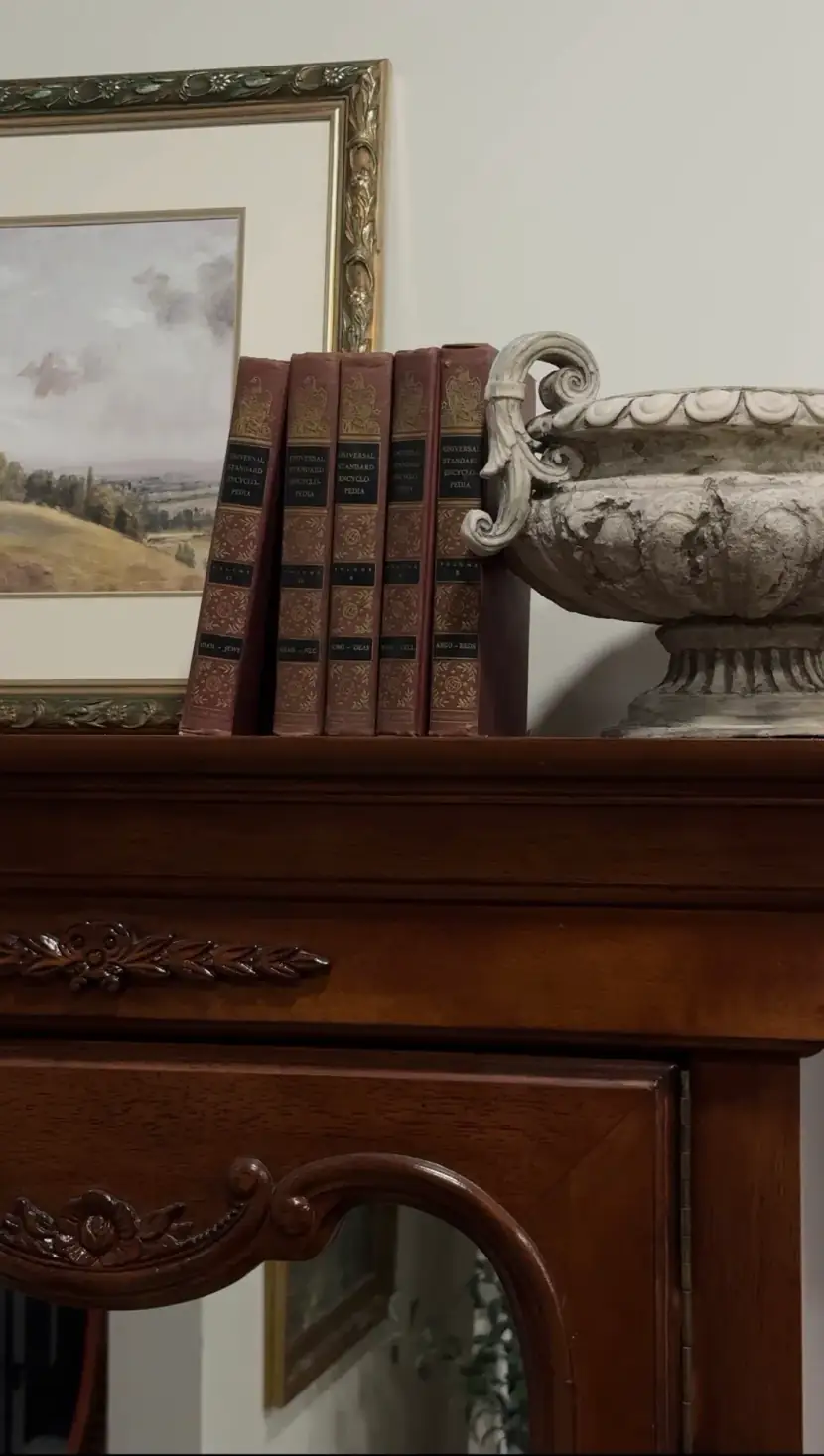
Vintage books are one of my favorite things to find—especially old books with worn covers, beautiful lettering and interesting colors.
I love mixing books in different shades rather than searching for a perfectly matching set. Deep green, burgundy, faded blue, warm brown, cream and even unexpected colors can add so much depth to a shelf or tabletop.
You can stack them beneath a lamp, use them to add height to a small object, place a few on a coffee table or mix them into your existing bookshelves. They make a room feel layered and lived-in without looking overly styled.
I also love that books bring more than color into a room. Their titles, age, illustrations and signs of wear give them a story. Just check that they’re clean, dry and free from mold or unwanted pests before bringing them home.
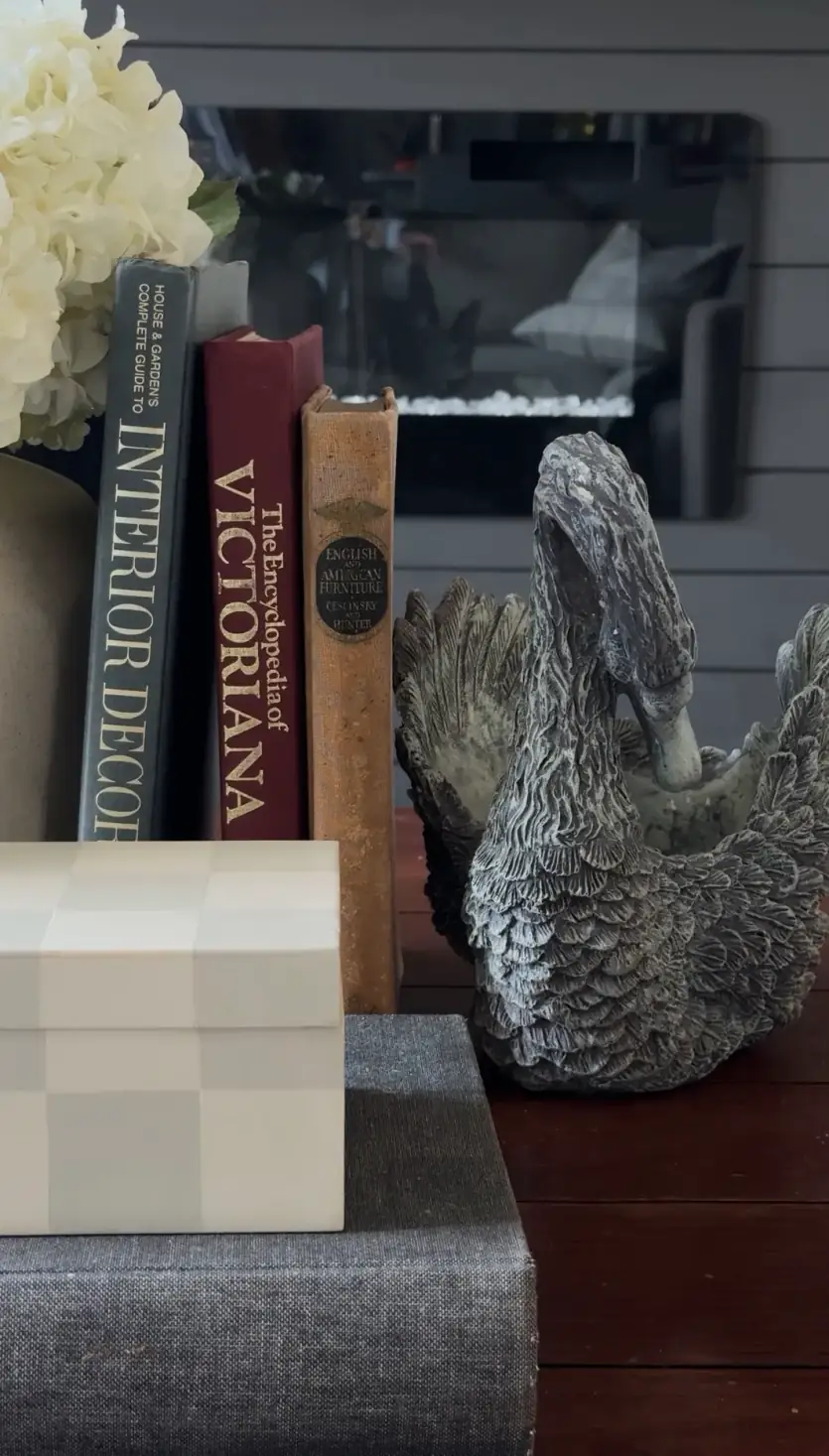
Interesting Shapes
Before focusing on color or finish, look at the shape of an item.
Does the lamp have a beautiful base? Does the chair have an interesting silhouette? Does the frame have detailing you don’t normally see?
Colors and finishes can often be changed, but an interesting shape is what gives a piece character.
Natural Materials
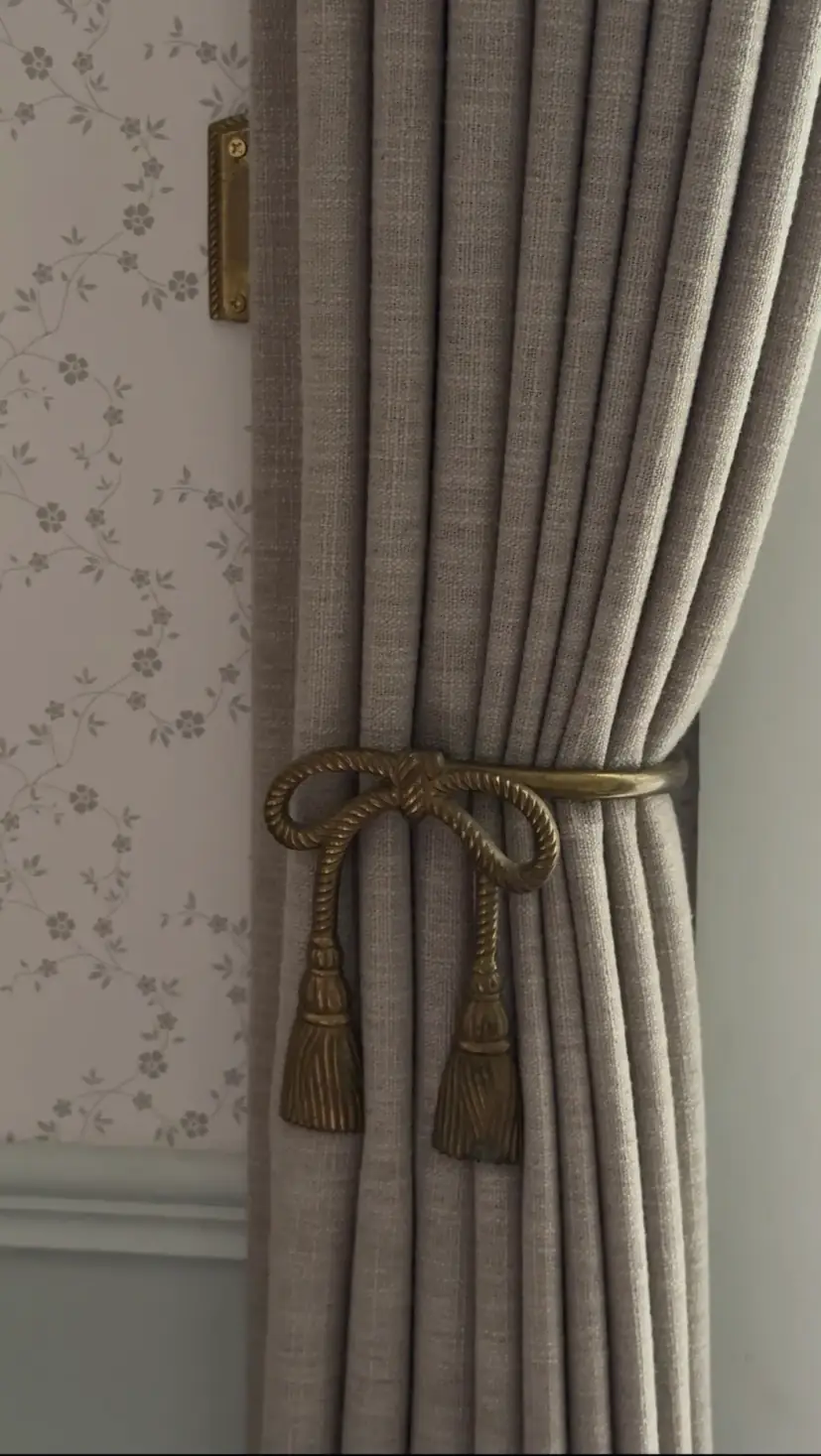
Wood, stone, marble, brass, glass, linen and pottery add warmth and texture to a room. These materials also mix beautifully with newer pieces, helping your home feel layered instead of overly themed.
Don’t immediately dismiss a solid wood piece because you dislike its current stain. Look at its construction, shape and overall condition first. A different finish—or simply placing it in a new environment—can completely change how it feels.
Frames and Original Artwork
Vintage frames are another favorite because they can be used in so many ways.
Try to look beyond whatever is currently inside the frame. You can replace it with a family photo, a favorite print, your child’s artwork or even a beautiful piece of fabric.
When looking at artwork, don’t worry about whether it’s valuable or fits a particular trend. Notice how it makes you feel. If you’re drawn to the colors, texture or subject, that is reason enough to consider bringing it home.
Lamps and Lighting
Lighting can completely change the feeling of a room, and vintage lamps often have shapes, textures and details that are difficult to find in newer pieces.
Focus on the base rather than the shade because shades are easy to replace. Always check the cord and socket for visible damage, and plan to have older wiring inspected or replaced if necessary.
With the right shade and a warm lightbulb, an overlooked lamp can become one of the most special pieces in the room.
Pottery and Useful Objects
I’m always drawn to pieces that are beautiful but can also serve a purpose.
Look for pottery, crocks, bowls, baskets, trays, candlesticks and small dishes that can hold plants, utensils, jewelry, keys or everyday clutter.
You don’t have to use an item for its original purpose. An old crock can become a planter. A small dish can hold jewelry on your nightstand. A vintage bowl can collect keys near the door.
Sometimes the best thrifted finds are the ones you reimagine.
Small Furniture With Good Bones
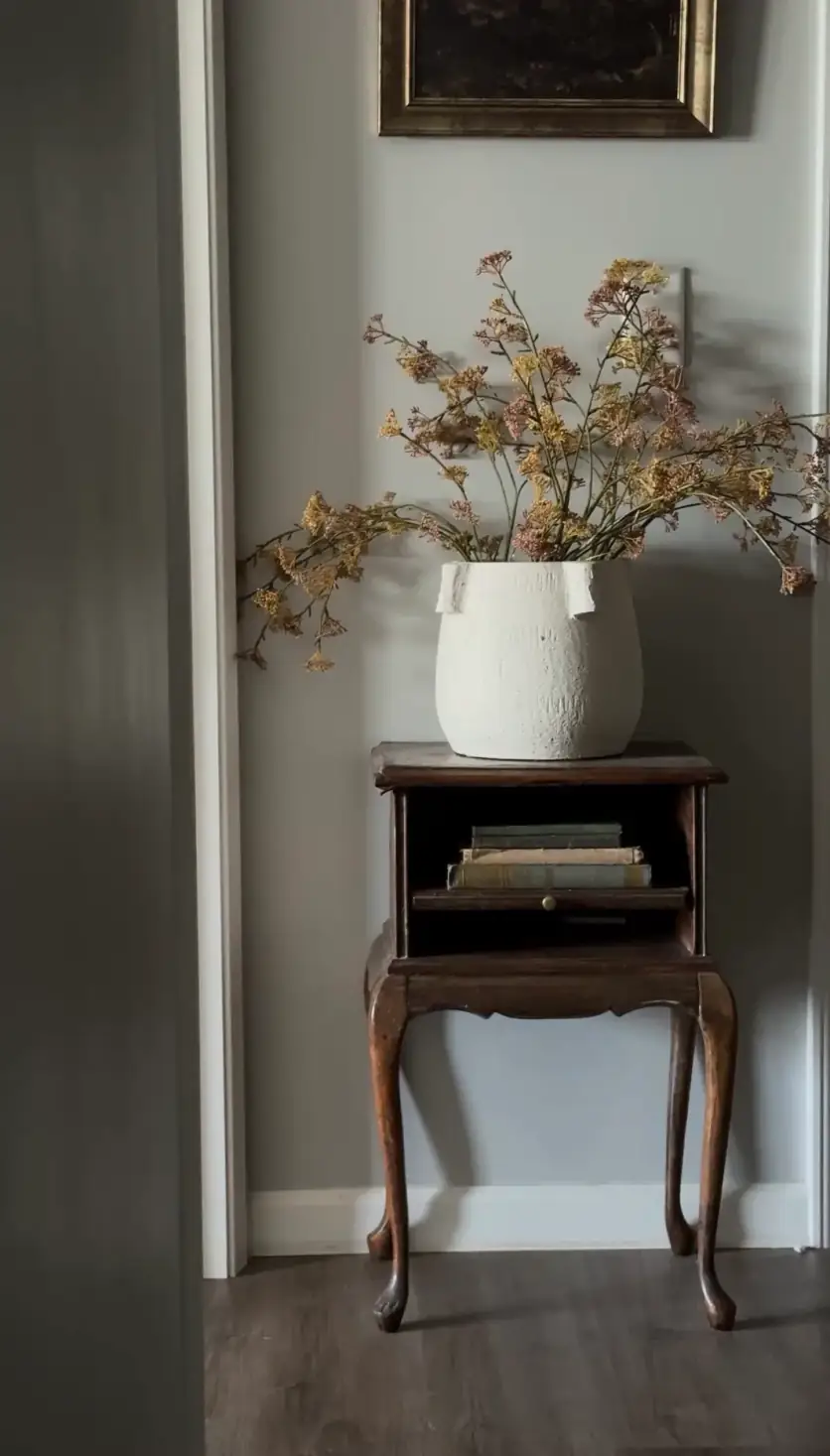
Side tables, stools, benches and small cabinets are easier to bring home and incorporate than large pieces of furniture.
Look for sturdy construction, functional drawers and shapes you genuinely love. Paint, stain, hardware and upholstery can all be changed.
Structural damage, strong odors or evidence of pests are much harder to fix—and may be reasons to leave a piece behind.
Pieces That Create a Feeling
Most importantly, look for things that make you pause.
Maybe a piece reminds you of your grandparents’ house, a favorite trip or a style you’ve always loved. Maybe you can’t logically explain why you like it—you just do.
Not every item in your home needs to coordinate perfectly or make sense to someone else. The pieces you feel personally connected to are often the ones that make your home feel the most like you.
A Few Questions to Ask Before You Buy
A low price alone isn’t a reason to bring something home. Before buying, I try to ask myself:
- Do I genuinely love it, or do I only love that it’s inexpensive?
- Can I picture at least one place where I could use it?
- Does it add an interesting shape, texture, color or story?
- Is it in a condition I can realistically clean or repair?
- Would I still want it if I saw it in a traditional retail store?
- Do I already own something similar?
The goal isn’t to replace overconsumption at traditional stores with overconsumption at thrift stores. It’s to become more thoughtful about what we bring into our homes and slowly collect pieces that feel personal, useful and worth keeping.
You also don’t need to buy something every time you go thrifting. Sometimes it’s enough to look, gather inspiration and begin noticing which colors, materials and styles consistently catch your attention.
That’s how you start learning what you genuinely love—not simply what an algorithm is telling you to love this week.
Look Beyond the Way a Space Is Currently Styled
This is where my love of interiors overlaps so naturally with my work in real estate.
When I walk through a home, I’m not only looking at what’s currently there. I’m imagining what it could become.
A room that feels dated might simply need warmer lighting, different furniture placement and a few collected pieces to bring it to life. An empty wall might be the perfect place for layered artwork. A basic corner could become a cozy reading spot with an old chair, a small table, a vintage lamp and a stack of beautifully worn books.
You don’t need a completely renovated house—or a house filled with brand-new furniture—to create a home you love. You need some patience, a willingness to experiment and the ability to see beyond what is directly in front of you.
That is also something I love helping my real estate clients do.
Whether we’re preparing a home to sell or touring one that doesn’t immediately feel “perfect,” I can help you look past its current styling and recognize its potential.
Sometimes the right home isn’t the one that looks finished the moment you walk inside. It’s the one that gives you room to create something that feels completely your own.
If you’re thinking about buying or selling in Edwardsville, Glen Carbon, Troy or anywhere in the Metro East, I would love to help you make a move you’ll love coming home to.
If you want to talk through a house that already has good bones, call me at (618) 866-2096.
If you are still comparing those towns, start with this $400,000 snapshot of Edwardsville, Glen Carbon, and Troy.
Your move can start with one conversation